
How to Choose the Right Business Loan for Your Small Business


Understanding Your Business Needs
Choosing the right business loan for your small business starts with a clear understanding of your financial needs. Are you looking to expand operations, purchase new equipment, or manage cash flow? Identifying the purpose of the loan will guide you towards the most appropriate type of financing. Knowing your needs will help you avoid borrowing more than necessary or opting for the wrong loan type.
Consider the loan amount required and how quickly you need the funds. For instance, if you need immediate capital, a short-term loan might be more suitable than a long-term one. Aligning your business goals with your financial needs is crucial for making an informed decision.

Exploring Different Loan Types
There are several types of business loans available, each with its own benefits and drawbacks. Some common options include:
- Term Loans: These are traditional loans with a fixed repayment schedule. They are suitable for larger investments like equipment or expansion.
- Lines of Credit: This flexible option allows you to borrow up to a certain limit and pay interest only on the amount used.
- SBA Loans: Backed by the Small Business Administration, these loans often have favorable terms but can be harder to qualify for.
- Invoice Financing: If your cash flow is tied up in unpaid invoices, this can be a quick way to access funds.
Understanding these options will help you decide which loan aligns best with your business strategy.
Evaluating Interest Rates and Fees
Interest rates and fees significantly impact the cost of a business loan. It's essential to compare offers from different lenders to find the most competitive rates. Pay attention to the Annual Percentage Rate (APR), which includes both the interest rate and any additional fees, providing a more accurate measure of the loan's cost.

Be wary of hidden fees, such as origination fees, prepayment penalties, or late payment charges. Understanding the full cost of the loan will help you make a financially sound decision.
Assessing Your Business's Financial Health
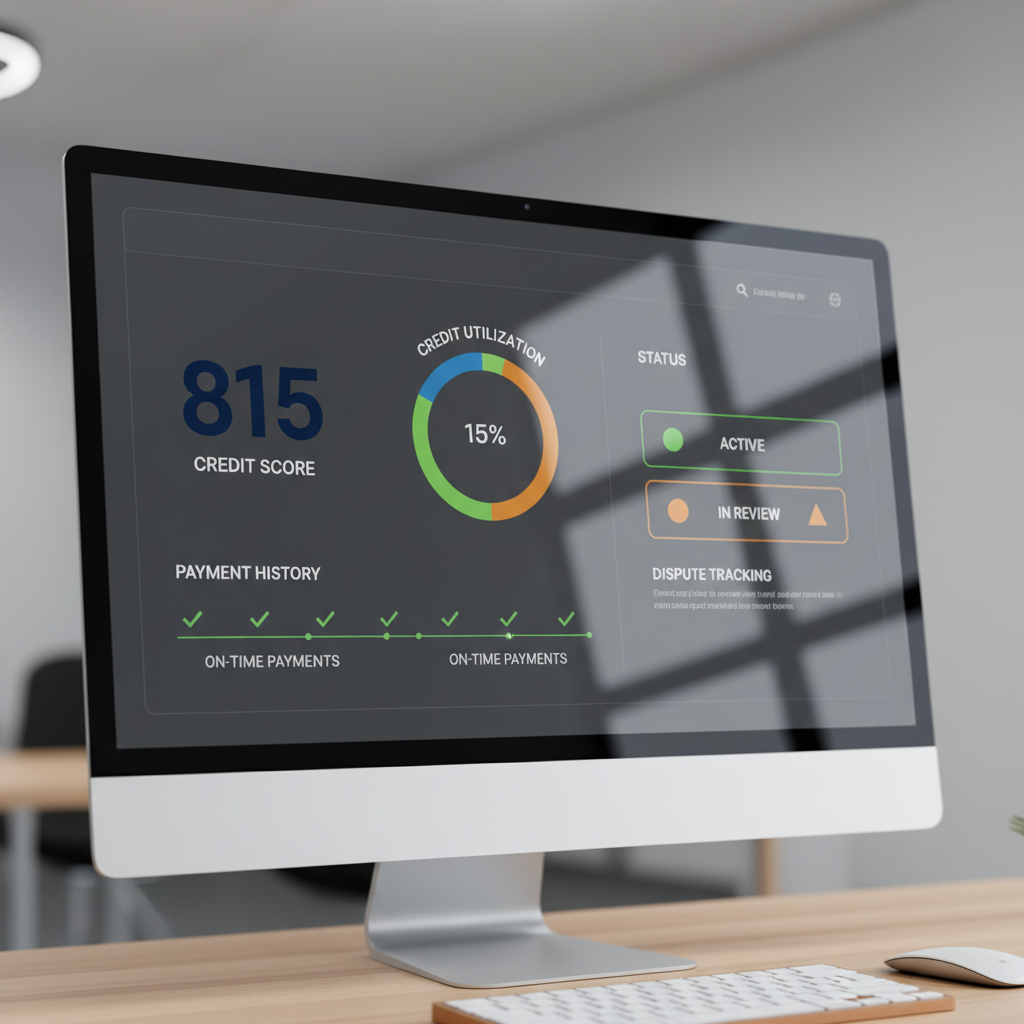
Lenders will assess your business's financial health before issuing a loan approval. They typically look at your credit score, annual revenue, and cash flow. A strong financial profile can help you secure better loan terms. Review your financial statements and credit report to ensure accuracy and address any issues before applying.
Improving your credit score and maintaining consistent cash flow can enhance your chances of obtaining favorable loan conditions.
Choosing the Right Lender
Not all lenders are created equal. It's crucial to choose a lender that understands your industry and offers terms that suit your business needs. Consider factors such as the lender's reputation, customer service, and flexibility. Online lenders, banks, and credit unions each offer different advantages and limitations.
Researching and comparing lenders will ensure you partner with one that aligns with your business values and goals.
Making the Final Decision
After evaluating your needs, loan types, interest rates, fees, and lender options, it's time to make the final decision. Prioritize what matters most to your business, whether it's the lowest rate, flexible terms, or fast approval. Making a well-informed choice will support your business's growth and financial stability.
Remember, the right business loan can be a powerful tool for achieving your business objectives, so take the time to choose wisely.